What new homeowners need to know about rekeying their locks
Why rekeying is a smart first step
Moving into a new home is exciting, but it also raises a practical question: who else might have keys to your doors? The previous owners, their friends, contractors, and even the neighbour who once fed the cat could still hold a copy. Rekeying changes the internal pins of the lock cylinder so that old keys no longer work, while the same hardware stays in place. It is a straightforward security upgrade that costs less than full lock replacement and gives you control over who can get in.
Many homeowners overlook this step because the locks look fine and the keys turn smoothly. But a lock that works perfectly is still vulnerable if an unknown person has a key. A residential locksmith can rekey all your entry locks to a single key in about an hour, making your home secure without new hardware. The process is fast, and it does not require drilling or modifications to the door frame or strike plate.
Understanding the types of locks on your doors
Before you call a professional, take a walk around your home and note the locks on each exterior door. The most common type is a deadbolt, which uses a solid metal bolt that slides into the strike plate on the door frame. Deadbolts come in single-cylinder (keyed from outside, thumb turn inside) and double-cylinder (keyed on both sides) versions. Single-cylinder deadbolts are standard and convenient, but double-cylinder models are sometimes used on doors with glass panels because they prevent a burglar from reaching through a broken window to turn the thumb lock. However, double-cylinder locks can be a safety hazard during a fire if you cannot find the key quickly. Check local fire codes and decide which style suits each door.
Some doors may have a knob lock with a built-in deadlatch. These are less secure than a separate deadbolt because the latch can be forced with a credit card or a screwdriver. If your home has only knob locks on exterior doors, consider upgrading to a deadbolt for better protection. A residential locksmith can advise on the best setup for your door frame and recommend a grade of deadbolt that resists picking and bumping.
What rekeying involves
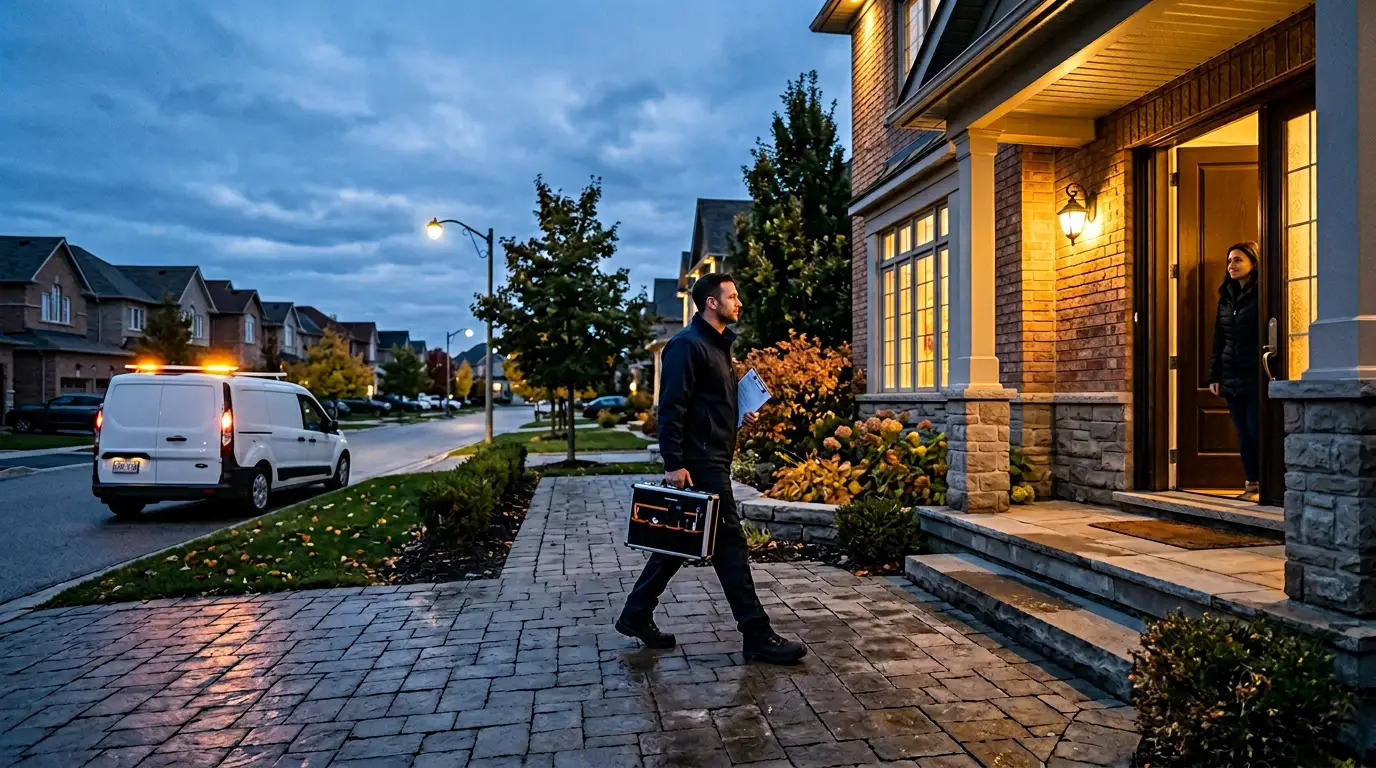
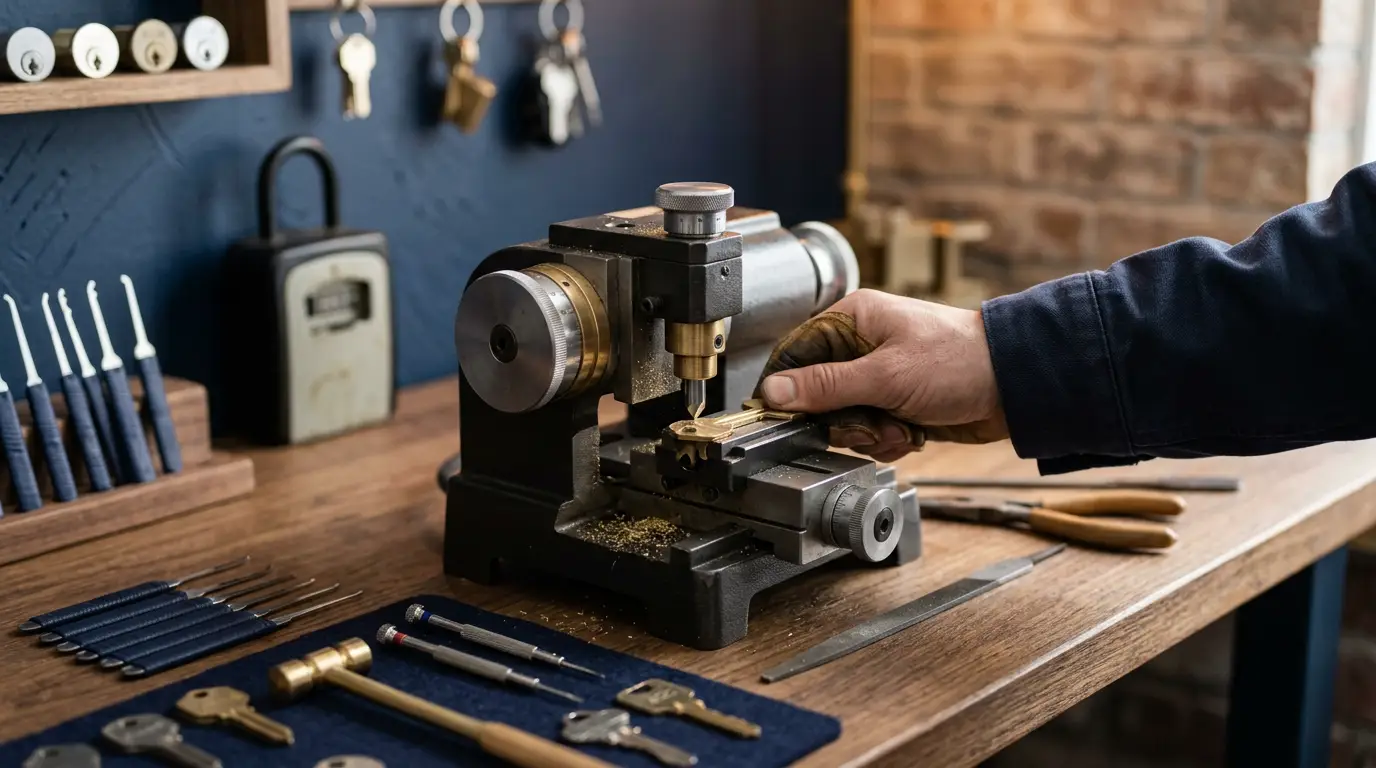
Rekeying works by replacing the small pins inside the lock cylinder. The locksmith removes the cylinder, takes out the old pins, and installs a new set that matches your chosen key. The result is a lock that operates with a new key while the old one no longer works. The same key can be used for all rekeyed locks, so you have one key for the whole house. This is more convenient than carrying a bunch of different keys and more secure than having a single key that opens many locks because the key itself is unique to your home.
Rekeying is different from lock replacement. Replacement means taking off the entire lock and installing a new one, which is more expensive and may require adjustments to the door frame. Rekeying keeps your existing hardware, so the appearance and function stay the same. It is ideal when the locks are in good condition and you simply want to change who can access your home.
When to consider upgrading to smart locks
If you are already having a locksmith work on your doors, it is a good time to think about whether a smart lock would suit your lifestyle. Smart locks allow you to lock and unlock your door with an access code, a smartphone app, or even your voice. They eliminate the need for physical keys altogether, which can be convenient for families with children, frequent guests, or rental properties. You can set temporary codes for visitors and revoke them when they leave, and you can check the lock status from anywhere.
However, smart locks rely on batteries and internet connectivity. If the battery dies or the Wi-Fi goes out, you need a backup key or a physical override. Most models include a traditional key cylinder as a fallback, so you may still want to rekey that cylinder to your house key. Also, smart locks vary in security ratings. Look for models that meet ANSI Grade 2 or Grade 3 standards, and ensure the strike plate and door frame are reinforced to handle the force of the lock bolt. A professional can install a smart lock properly and advise on the best placement for the access code keypad.
Checking the condition of your door frame
A lock is only as strong as the door frame it fits into. Inspect the strike plate area on each exterior door. The strike plate is the metal plate on the frame that the deadbolt slides into. If the plate is loose, the screws are short, or the wood around it is split or rotted, a strong kick can force the door open even with a top-grade lock. Tighten the screws, or replace the strike plate with a heavy-duty version that uses longer screws (at least three inches) that reach into the wall stud. If the door frame itself is damaged, repair or replace it before rekeying, because the same weak point will remain.

Also check the gap between the door and the frame. A gap larger than a few millimetres can be exploited with a tool to push back the latch. If you see a wide gap, consider installing a door jamb reinforcement kit or adjusting the hinges. These improvements are simple for a handy person but can also be done by a locksmith during a service call.
Key control and duplicate keys
When you rekey, you get a new key. But what stops someone from making copies of that key without your permission? Key control refers to the system that restricts duplication. Standard keys can be copied at any hardware store, but restricted key systems require a special key blank that only authorised locksmiths can cut. These systems are common in commercial buildings but are available for residential use as well. If you are concerned about unauthorised copies, ask about a restricted keyway when you have the locks rekeyed. The locksmith can install cylinders that accept only keys from a specific series, and you provide a signed authorisation card for any future copies.
Even without a restricted system, you can control keys by keeping them in a secure place and not lending them out unnecessarily. If you lose a key, rekeying again is the safest option, because a lost key could be found and used by someone else.
Emergency situations and lockouts
Even with a fresh set of keys, lockouts can happen. Keys break in locks, batteries die in smart locks, or you simply leave your keys inside. A mobile locksmith can handle emergency lockouts for homes, cars, and commercial properties, often arriving within 30 minutes. They can also repair or replace a broken lock on the spot. Knowing a reliable locksmith before you need one saves time and stress. Keep their number handy, and consider having a spare key with a trusted neighbour or family member who lives nearby.
If you have children or elderly family members at home, think about the type of lock you choose. A lock that requires a key from both sides (double-cylinder) can be dangerous in a fire if someone cannot find the key quickly. Single-cylinder deadbolts with a thumb turn on the inside are safer because you can exit without a key. If you already have double-cylinder locks, keep a key in the lock during the day and remove it only at night when everyone is home and aware.
Putting it all together
Rekeying your new home's locks is a simple, affordable way to secure your space and gain peace of mind. It gives you exclusive control over entry, removes the risk of old keys circulating, and can be done in a single visit. While you are at it, check the condition of your door frames and strike plates, and consider whether a smart lock or a restricted key system would improve your daily life. A professional can handle the rekeying, advise on upgrades, and ensure everything is installed correctly. Taking these steps early means your home starts off secure, and you can focus on making it your own.